
Workers Compensation Insurance Costs: What Employers Need To Know
Every business that hires employees faces a risk: accidents, injuries, or work-related illnesses can happen anytime. That’s why workers compensation insurance exists. This type of insurance protects both employers and employees if someone gets hurt on the job. But how much does it cost? And what makes those costs go up or down? Understanding the true price of workers comp is not always simple, and many employers are surprised by what actually affects their rates.
Let’s break down the real costs, what influences them, and how you can manage these expenses smartly—without cutting corners on safety or compliance.
What Is Workers Compensation Insurance?
Workers compensation insurance is a policy that covers medical expenses, lost wages, and rehabilitation costs if an employee gets injured or becomes ill due to their job. It also protects businesses from lawsuits related to workplace injuries. In most states, having this insurance is required by law if you have employees.
Employers pay an annual premium, and in return, the insurance company pays the benefits if a covered event happens. Without it, companies face heavy fines, legal costs, and serious financial risk.
How Are Workers Compensation Insurance Costs Calculated?
There isn’t a one-size-fits-all answer to the cost of workers comp. Several factors work together to set your premium. Understanding these can help you predict, control, and sometimes reduce what you pay.
Key Factors That Affect Your Premium
- Payroll size: The more you pay in total wages, the higher your insurance cost will be. Premiums are calculated per $100 of payroll.
- Industry risk: Jobs with higher chances of injury (like construction or manufacturing) pay more than low-risk jobs (such as office work).
- Location: State laws and local costs vary widely. Some states have higher base rates or stricter rules.
- Claims history: If your business has a record of past injuries or claims, you’ll pay more.
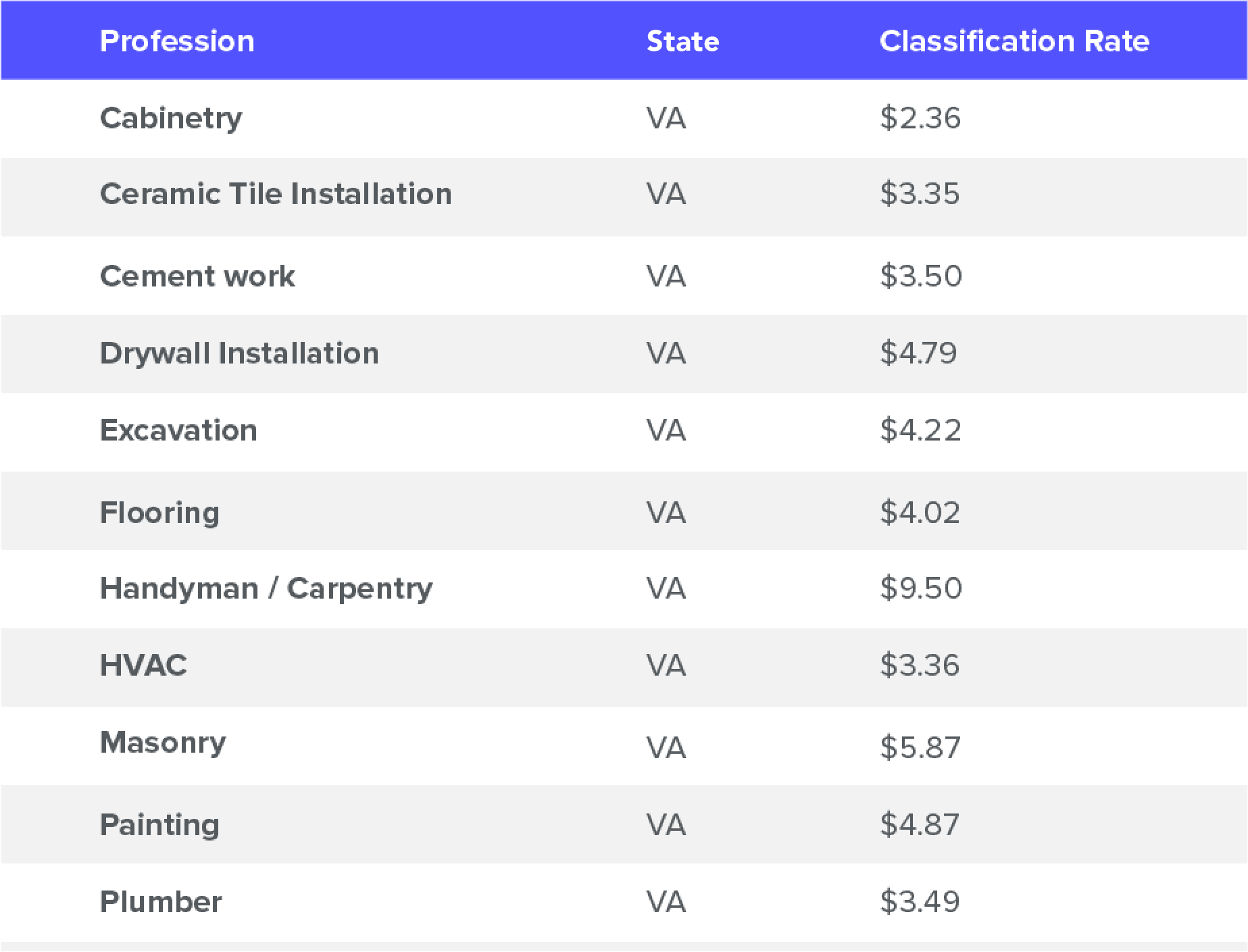
- Class codes: Each job type is assigned a “class code” by the insurance industry. Different codes have different risk levels and base rates.
- Experience modifier (EMR/X-Mod): This rating compares your claims history to similar businesses. A lower EMR means discounts; a higher one means surcharges.
- Safety programs: Companies with strong safety practices may get lower rates.
Example: Cost Calculation
Here’s a simplified example for a business:
- Payroll: $500,000
- Class code base rate: $1.50 per $100 payroll
- Experience modifier: 1.10 (slightly higher than average)
Premium = (payroll ÷ 100) × Base Rate × Emr
Premium = ($500,000 ÷ 100) × $1.50 × 1.10 = $7,500 × 1.10 = $8,250
This is before possible discounts, fees, or state-specific assessments.

Credit: www.insperity.com
Average Workers Compensation Insurance Costs By Industry
Costs can be dramatically different from one industry to another. Here’s a comparison of average rates in the US (per $100 of payroll):
| Industry | Average Rate |
|---|---|
| Clerical/Office | $0.30–$0.50 |
| Retail | $0.70–$1.20 |
| Restaurants | $1.10–$1.90 |
| Contractors (Construction) | $2.00–$6.00 |
| Trucking | $7.00–$12.00 |
| Healthcare | $1.00–$2.50 |
As you can see, high-risk jobs like trucking and construction cost much more to insure than office work. These numbers are averages—actual costs depend on your business details.
State-by-state Variations
Where your business operates also makes a big difference. For example, rates in California are usually much higher than those in Texas or Florida. This is due to local laws, medical costs, and claim trends.
Here’s a quick look at how workers comp costs differ by state (average rate per $100 payroll):
| State | Average Rate |
|---|---|
| California | $2.16 |
| Texas | $0.98 |
| Florida | $1.24 |
| New York | $1.68 |
| Ohio | $1.35 |
Some states, like Ohio and Washington, run their own insurance funds. Others allow private insurance companies. Always check your state’s requirements before buying a policy.
Real-world Examples Of Workers Comp Premiums
Let’s look at a few sample businesses to show how costs can vary.
- Small retail shop in Texas
- 5 employees, $200,000 payroll
- Class code: Retail, rate $1.00
- Premium: ($200,000 ÷ 100) × $1.00 = $2,000
- Mid-sized restaurant in Florida
- 20 employees, $600,000 payroll
- Class code: Restaurant, rate $1.50
- Premium: ($600,000 ÷ 100) × $1.50 = $9,000
- Construction contractor in California
- 15 employees, $800,000 payroll
- Class code: Construction, rate $4.00
- Premium: ($800,000 ÷ 100) × $4.00 = $32,000
These examples don’t include experience modifiers, discounts, or surcharges—but they illustrate how industry and location drive costs.
What Can Make Your Workers Comp Costs Go Up?
Several things can unexpectedly push your premium higher:
- Poor claims history: Even one or two expensive claims can raise your rates for years.
- Misclassifying workers: If employees are listed under the wrong class codes, you could be charged more (or face penalties).
- Growth or wage increases: If your payroll rises, your premium will too.
- Not updating your insurer: Failing to report changes in your business can lead to higher rates later (or coverage gaps).
A common mistake is ignoring the impact of subcontractors. If they don’t carry their own insurance, you may be charged for their payroll too.
Credit: pogo.co
How To Reduce Workers Compensation Insurance Costs
Many employers simply accept their workers comp bill as a fixed cost, but that’s not the smartest approach. You have more control than you think.
Steps To Lower Your Premium
- Invest in safety: Fewer injuries mean lower experience modifiers and, over time, lower premiums.
- Train employees: Proper training reduces accidents, especially in high-risk industries.
- Classify jobs correctly: Double-check that every worker is listed under the right class code.
- Shop around: Get quotes from several insurers. Rates and terms can vary widely.
- Work with your agent: Experienced agents know how to find errors and get you discounts.
- Return-to-work programs: Helping injured employees get back to work sooner can reduce claim costs.
- Review your payroll reports: Make sure they’re accurate before your insurer audits your account.
Two insights many businesses miss: First, some states offer dividends or refunds to employers with low claims. Second, reporting even minor injuries quickly can keep costs lower—delays often make claims more expensive.
Understanding Pay-as-you-go Workers Compensation
Traditional workers comp insurance is paid with an estimate upfront, then adjusted at year-end. But some insurers now offer pay-as-you-go plans. In these plans, premiums are calculated based on your actual payroll each pay period.
Pros Of Pay-as-you-go
- Reduces the risk of large audit bills at the end of the year
- Matches payments to cash flow
- Less chance of overpaying or underpaying
This is especially useful for businesses with seasonal workers or changing payrolls.
The True Cost Of Not Having Workers Comp
Some small business owners try to avoid buying coverage to save money. This is a risky move.
If you’re caught without required insurance:
- You could face fines of thousands (or even tens of thousands) of dollars
- You might be sued by injured workers
- You may have to pay medical bills and lost wages out of pocket
In some states, operating without coverage is even a criminal offense. The long-term cost of non-compliance almost always outweighs the premium.
Workers Compensation Insurance Vs. Other Business Insurance
It’s easy to mix up workers comp with other types of business coverage, but it has a unique role.
| Insurance Type | What It Covers |
|---|---|
| Workers Compensation | Employee injuries/illness on the job |
| General Liability | Injuries to customers/visitors, property damage |
| Disability Insurance | Non-work-related illness/injury for employees |
You usually need workers comp even if you have other business insurance.
How To Get The Most Accurate Quote
To get a fair and accurate quote for workers comp insurance:
- Gather your total payroll by job type
- List all work locations and job duties
- Check that your class codes are correct
- Provide your claims history for the past 3-5 years
Be honest and detailed. Small mistakes can lead to much higher costs or problems later.
Common Mistakes When Buying Workers Compensation Insurance
Many business owners make errors that cost them money or create legal risk:
- Underestimating payroll: Leads to big audit bills at the end of the year.
- Choosing the cheapest policy: Low price may mean poor service or coverage gaps.
- Ignoring state rules: Each state has different requirements.
- Not updating policies as you grow: Changes in staff or job duties must be reported.
- Missing discounts: Some insurers offer credits for safety programs, drug-free workplaces, or good claims history.
Always review your policy annually and ask your agent about ways to save.
Is Workers Compensation Insurance Tax Deductible?
Yes. The cost of workers compensation insurance is a business expense and can be deducted from your federal taxes. This helps offset the cost, but you should keep good records and consult your accountant for details.
Where To Learn More
For more details about state laws and national workers comp trends, you can visit NCCI (National Council on Compensation Insurance), which provides trusted information for US employers.

Credit: www.sentry.com
Frequently Asked Questions
How Much Does Workers Compensation Insurance Usually Cost Per Employee?
The cost varies by job type, location, and payroll, but many US businesses pay between $0.75 to $2.00 per $100 of payroll. High-risk jobs can cost much more, while low-risk office jobs are less expensive.
Do I Need Workers Compensation Insurance If I Only Have Part-time Employees?
In most states, yes. Even part-time employees are covered by workers comp laws. Not having coverage puts you at legal and financial risk.
Can Workers Comp Premiums Change During The Year?
Yes. If your payroll increases, you hire more staff, or you change job duties, your premiums may go up (or down). Many insurers do a year-end audit to adjust your final cost.
What Happens If I Misclassify My Employees?
Misclassifying employees can lead to underpayment or overpayment of premiums. If you’re audited and found to have misclassified workers, you may face back charges, fines, or even denial of coverage for claims.
Are Subcontractors Covered By My Workers Compensation Policy?
Usually, subcontractors are not covered unless you include them. But if they don’t have their own insurance, you might be responsible for their injuries. Always check documentation and clarify with your insurer before starting work.
Understanding workers compensation insurance costs is not just about the numbers—it’s about making smart decisions for your business’s future. With the right approach, you can protect your team and your bottom line at the same time.
Read More:
- Motorcycle Insurance for Young Riders: Essential Tips and Savings
- Pet Insurance Plans With Low Deductibles: Save More on Vet Bills
- Flood Insurance Coverage Requirements: What Homeowners Must Know
- Umbrella Insurance Policy Benefits: Protect Your Assets Today
- Best Renters Insurance Policies 2026: Top Picks for Maximum Protection
- Commercial Truck Insurance Coverage: Essential Guide for 2024
- Dental Insurance for Self-Employed: Maximize Your Coverage Today
- Medicare Supplement Insurance Plans: Your Guide to Smarter Coverage